


We look forward to looking after you and your family’s orthodontic needs
Our Services
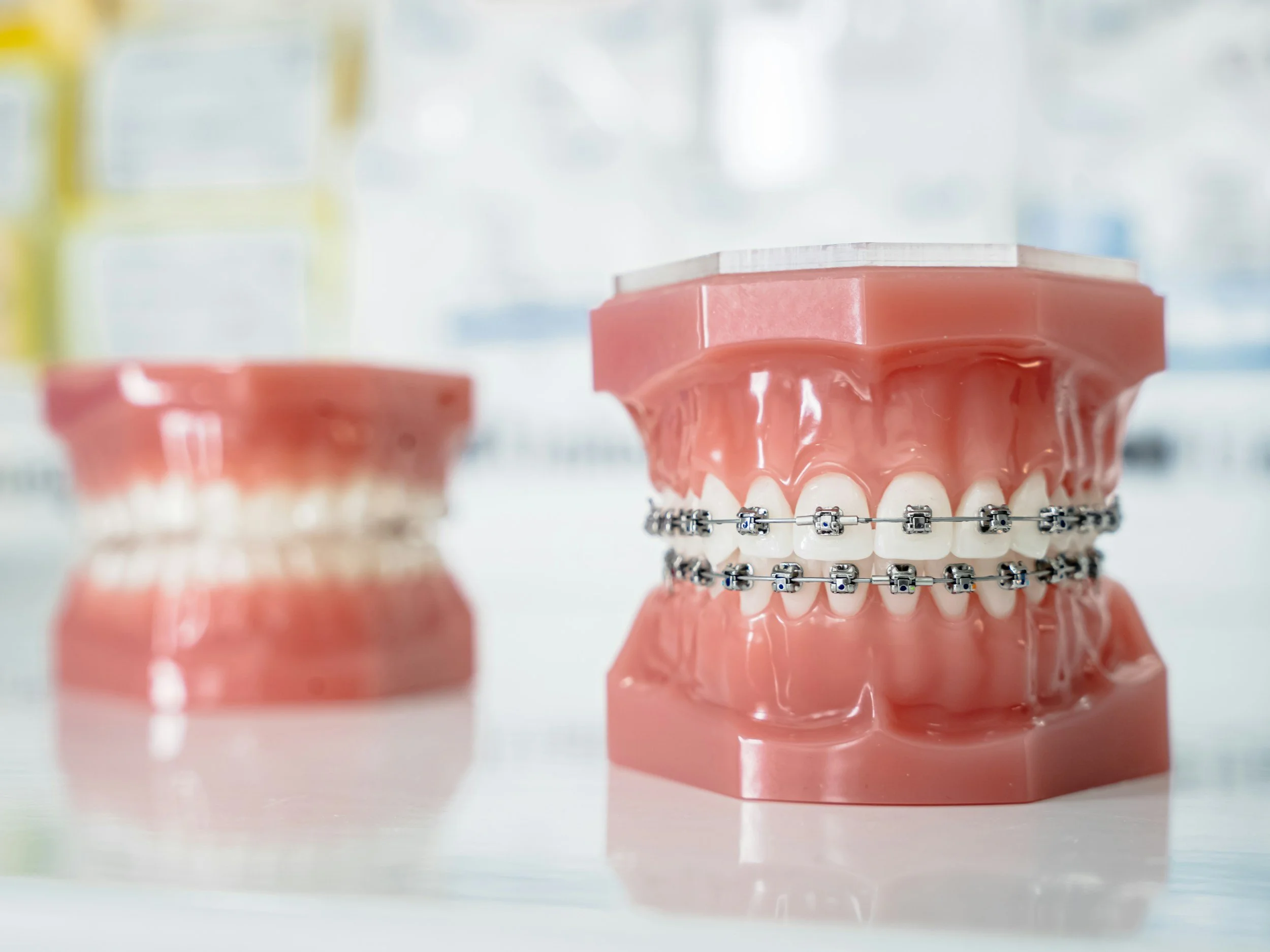
Braces
There are lots of options when it comes to braces, and at Marks Orthodontics, we offer both clear and metal braces.
We will work with you to find the treatment that suits you.
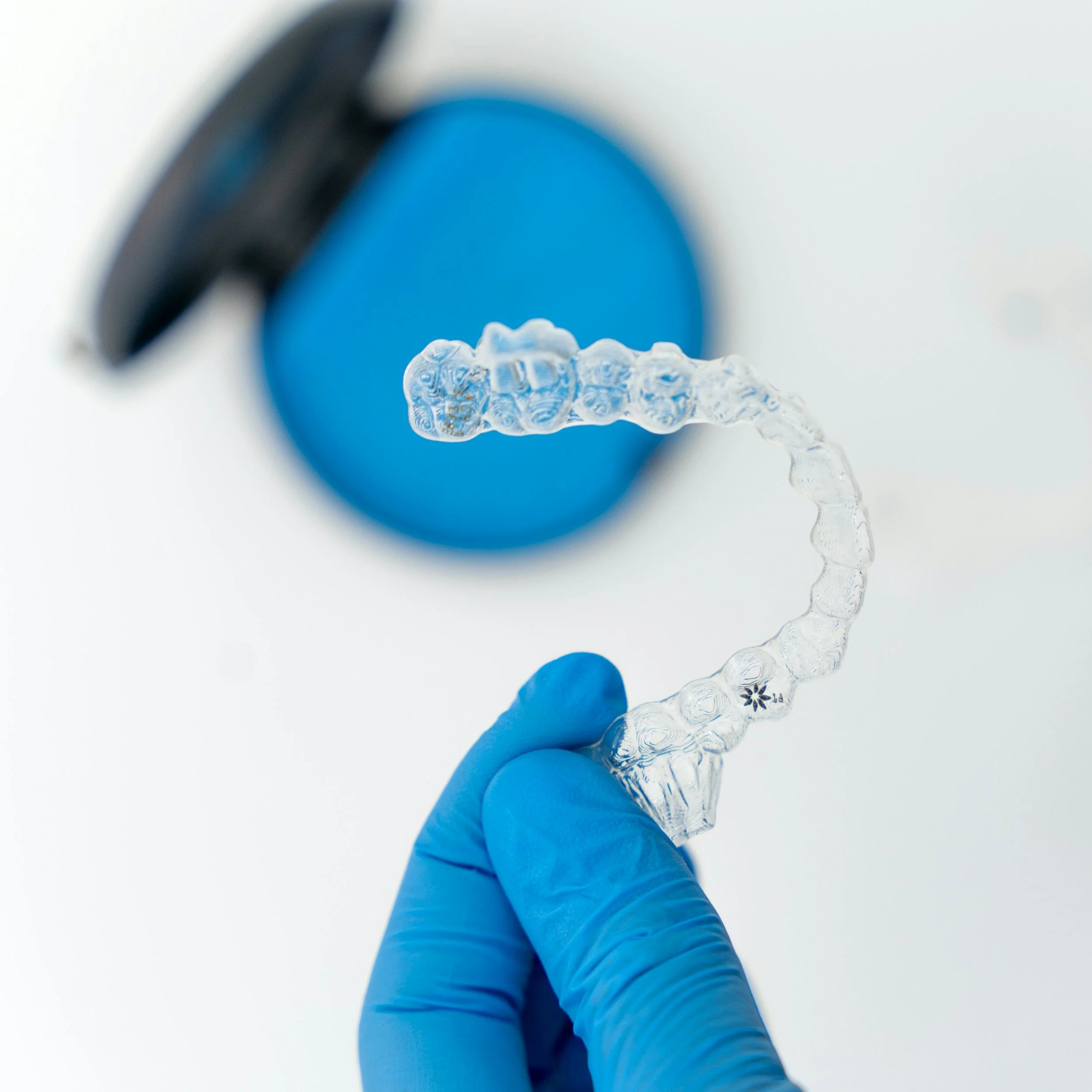
Clear Aligners
Clear aligners are the latest in orthodontic treatment – a series of removable, nearly invisible trays that fit over your teeth.
They’re a great option for many patients, but not suitable for everyone. After assessing your smile, your orthodontist can let you know if they’re right for you.
Just remember: since they’re removable, they need to be worn for at least 22 hours a day to be effective.
Growth Modification Appliances
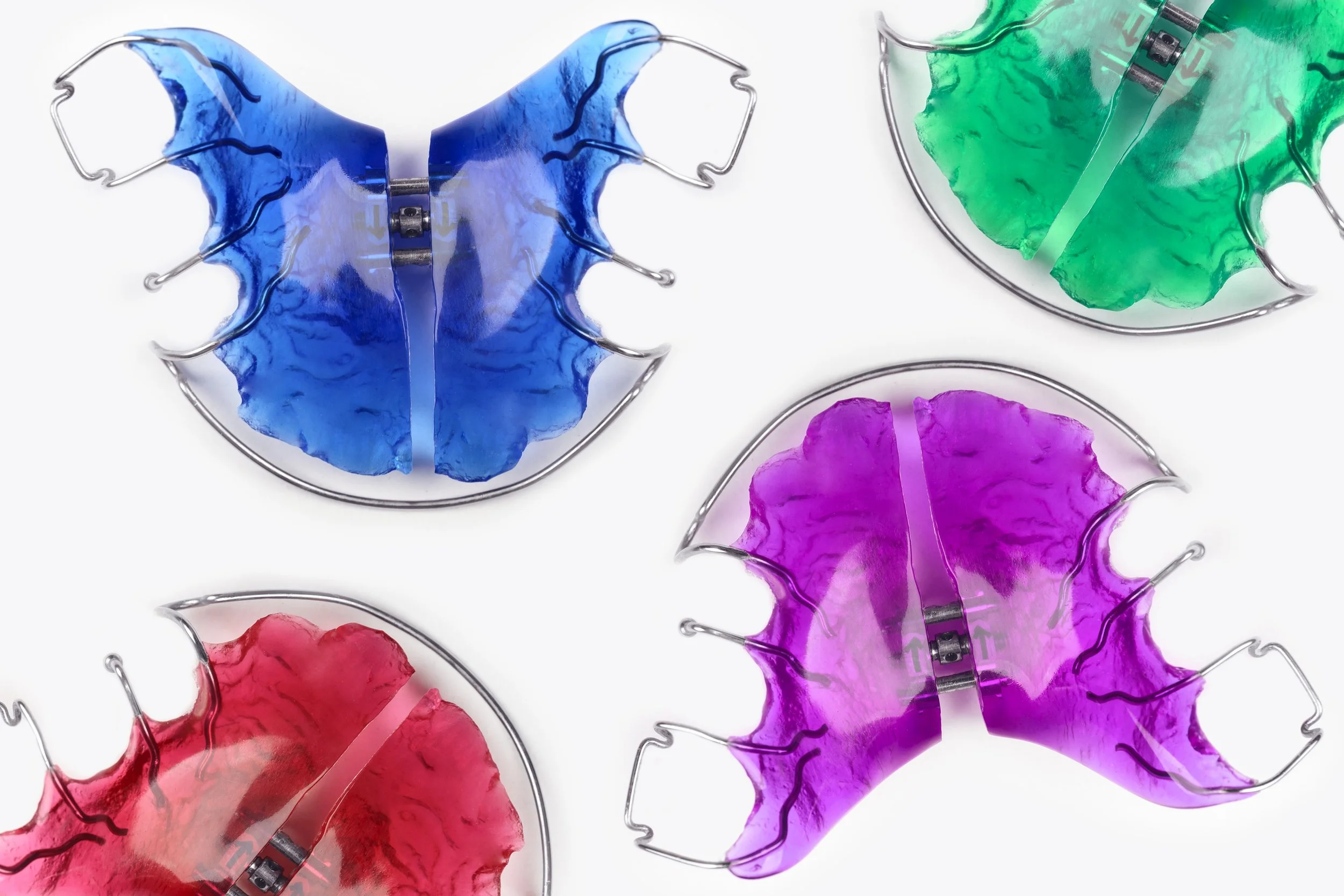
These are the appliances, which are utilised in Phase 1 treatment. They include plates, functional appliances, headgear, expansion springs, expansion plates face masks and many more.
The purpose of these appliances also known as orthopaedic appliances is to enhance or modify the growth and development of the face and jaws, allowing more harmonious dental and skeletal growth which results in an improvement in facial aesthetics and dental function.
These are usually removable appliances which, when used efficiently, seek to reduce Phase II treatment time or even exclude it entirely.
Sleep Appliances
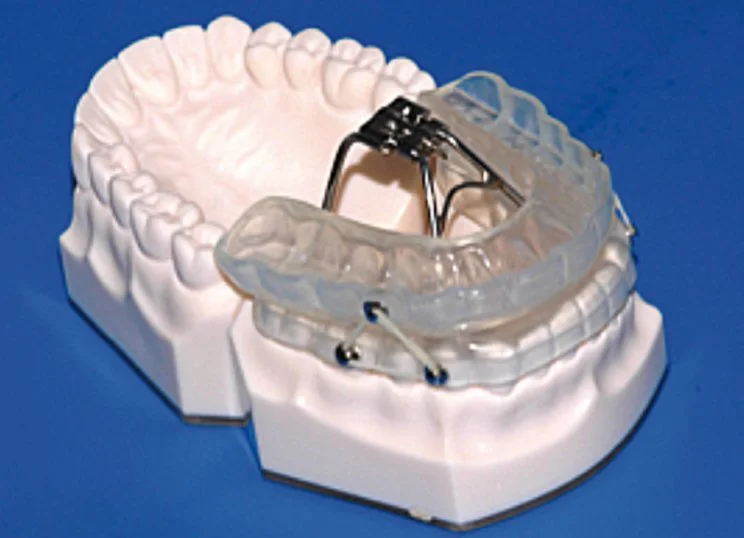
Sleep appliances are used to treat Snoring and Sleep Apnoea
The appliance Dr Marks uses is a fully adjustable plate which has a number of important features. These appliances can be very disruptive to the dentition and need to be fitted and monitored by experienced practitioners.
It is titratable and thus, the bottom jaw is able to be brought forward as much as required
The jaws can be opened with the appliance in place but it is held in the closed position to maintain the open airway.
There are other features which are important to the successful management of the sleep problems.
Dr Marks only treats patients who have seen a sleep physician or someone who has similar qualifications. He also requires the patients to continue to attend this physician for ongoing monitoring of their problem during treatment.

Early Interceptive Orthodontic Treatment
Proactively shape your child’s future smile by addressing issues early, preventing complications and ensuring effective corrections for a confident, aligned smile.

Common Reasons for Early Interceptive Orthodontic Treatment
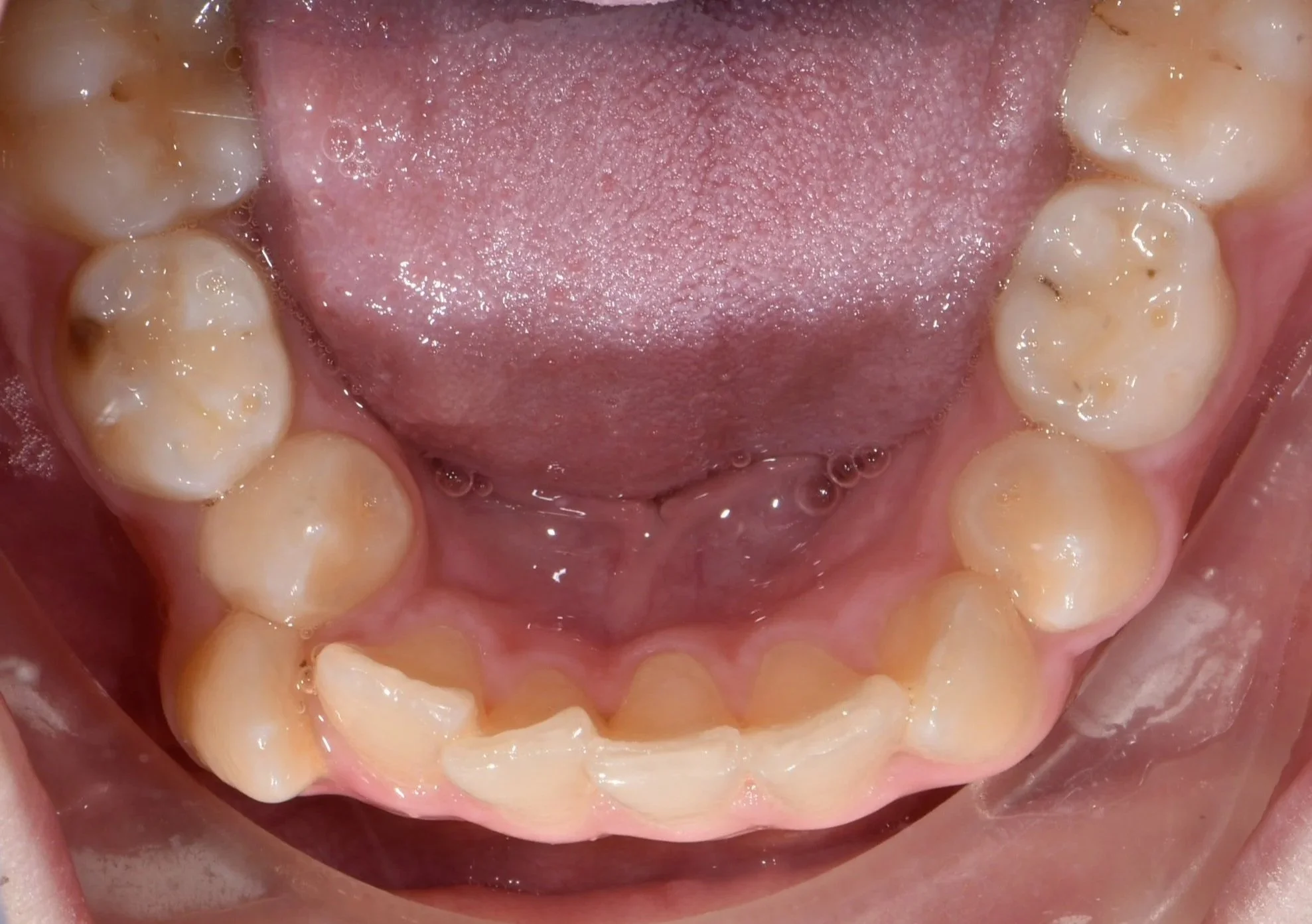
Crowding
Addressing crowding issues early ensures that emerging adult teeth have adequate space to grow, minimizing the risk of misalignment and promoting a harmonious, well-aligned smile.
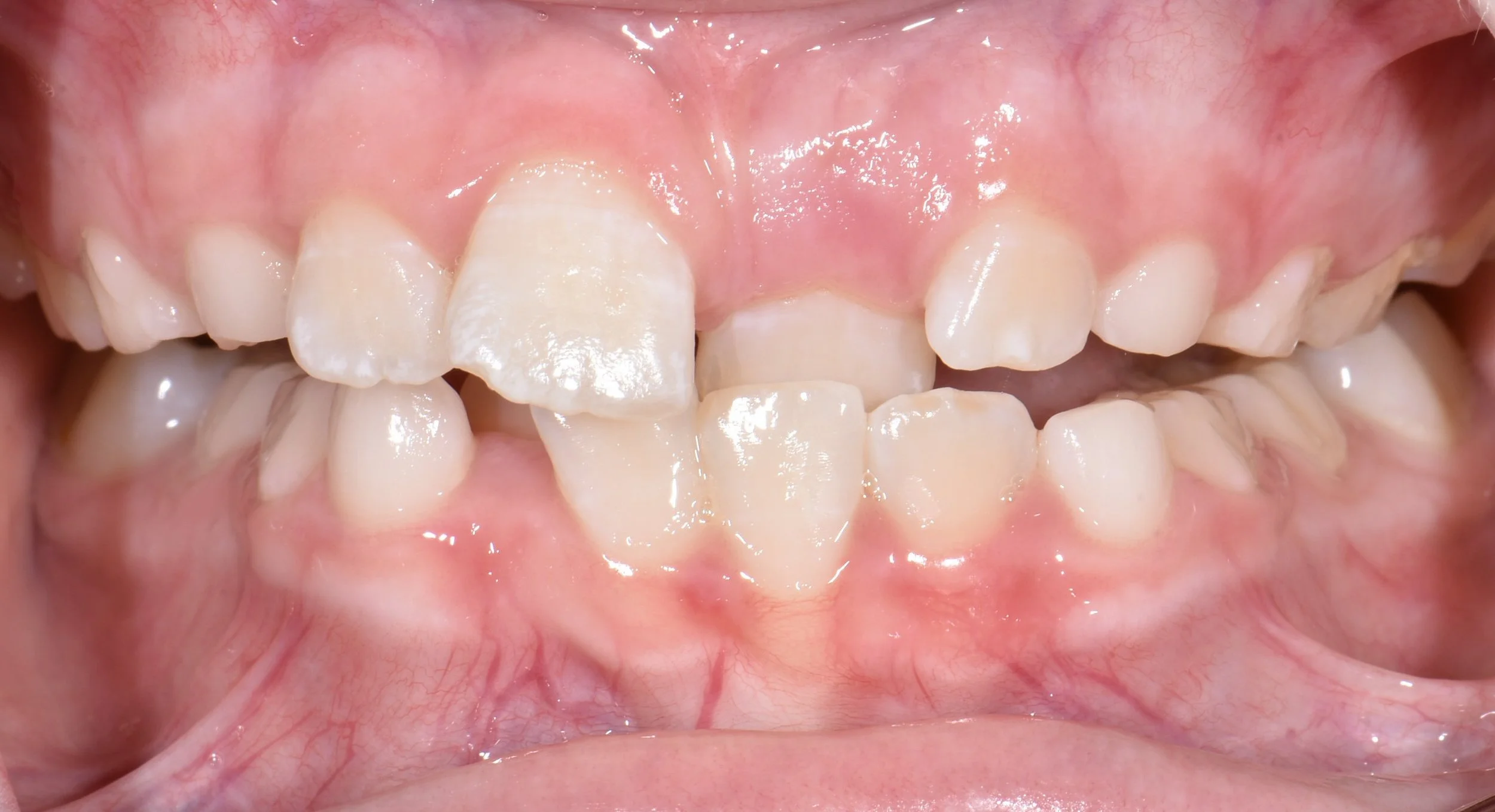
Crossbite Correction
Early intervention is crucial for correcting crossbites, where the upper and lower jaws don’t align properly. Timely treatment can prevent more severe bite issues and promote proper jaw development.
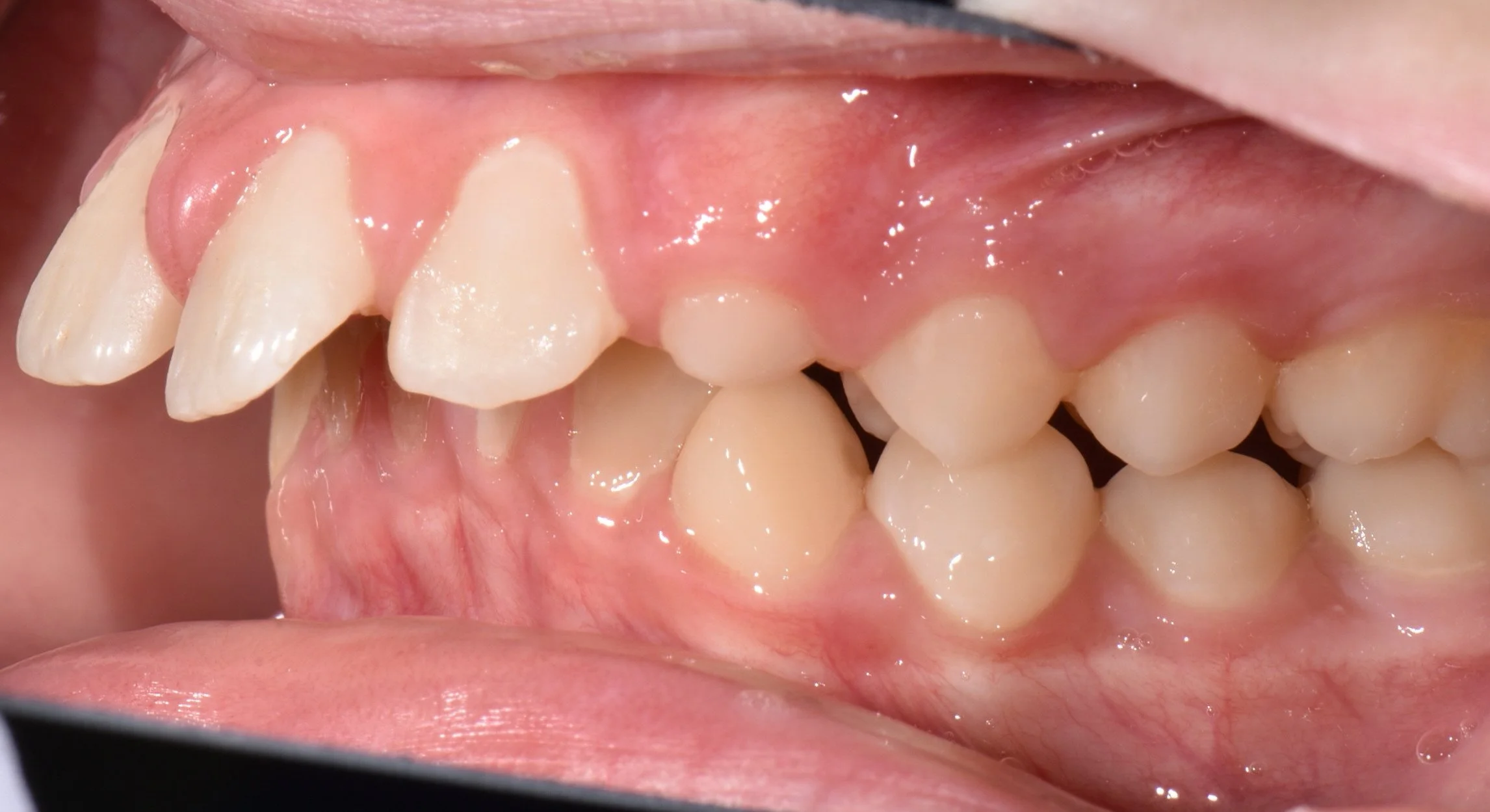
Jaw Irregularities
Detecting and addressing irregularities in jaw development during childhood can prevent more complex orthodontic problems in the future. Early interceptive treatment promotes optimal facial and jaw growth, contributing to a stable and well-functioning bite.
FAQs
At what age should my child begin Early Interceptive Orthodontic Treatment?
Early intervention is most effective when started around the ages of 7 to 9, as this is when orthodontic issues often begin to manifest. However, each child is unique, and the optimal timing may vary based on individual dental development.
What are the common signs that indicate a need for Early Interceptive Orthodontic Treatment?
While it's usually your child's dentist who will recommend treatment signs you can look out for include persistent thumb sucking, difficulty biting or chewing, speech issues, or visible misalignments in the teeth or jaw. Identifying and addressing these issues early can prevent more complex problems in the future.
How long does Early Interceptive Orthodontic Treatment typically last?
The duration of treatment varies depending on the nature and severity of the orthodontic issues. On average, it may take 6 to 12 months. Early intervention aims to correct emerging problems efficiently, minimising the need for extensive treatment in the future.
Can my child still receive Early Interceptive Orthodontic Treatment if they have baby teeth?
Yes, early treatment can be initiated even if your child has a mix of baby and permanent teeth. In fact, addressing orthodontic issues during this mixed dentition phase allows for proactive correction and optimal jaw development.
Comprehensive Orthodontic Treatment
Common reasons for Comprehensive Treatment
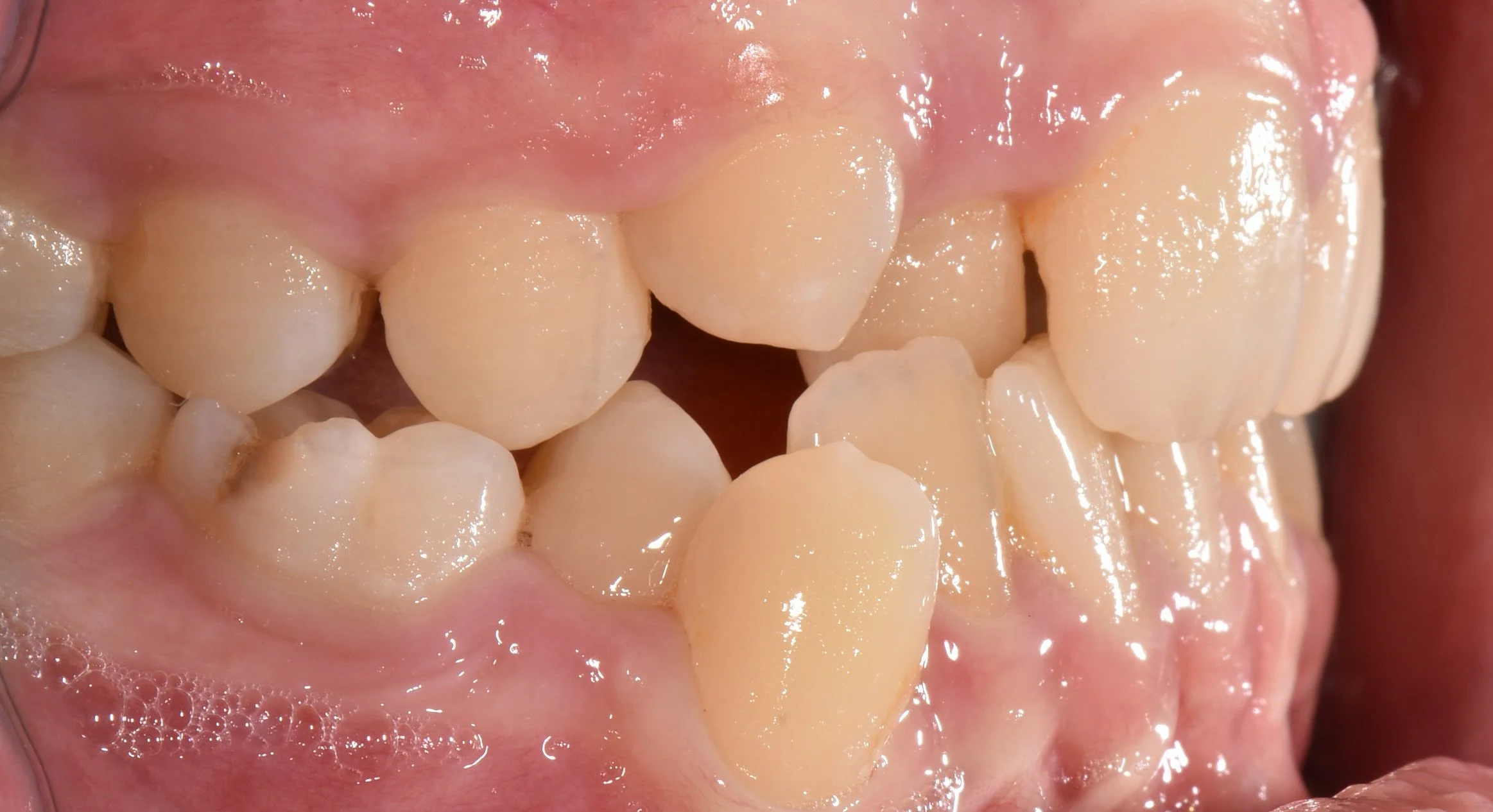
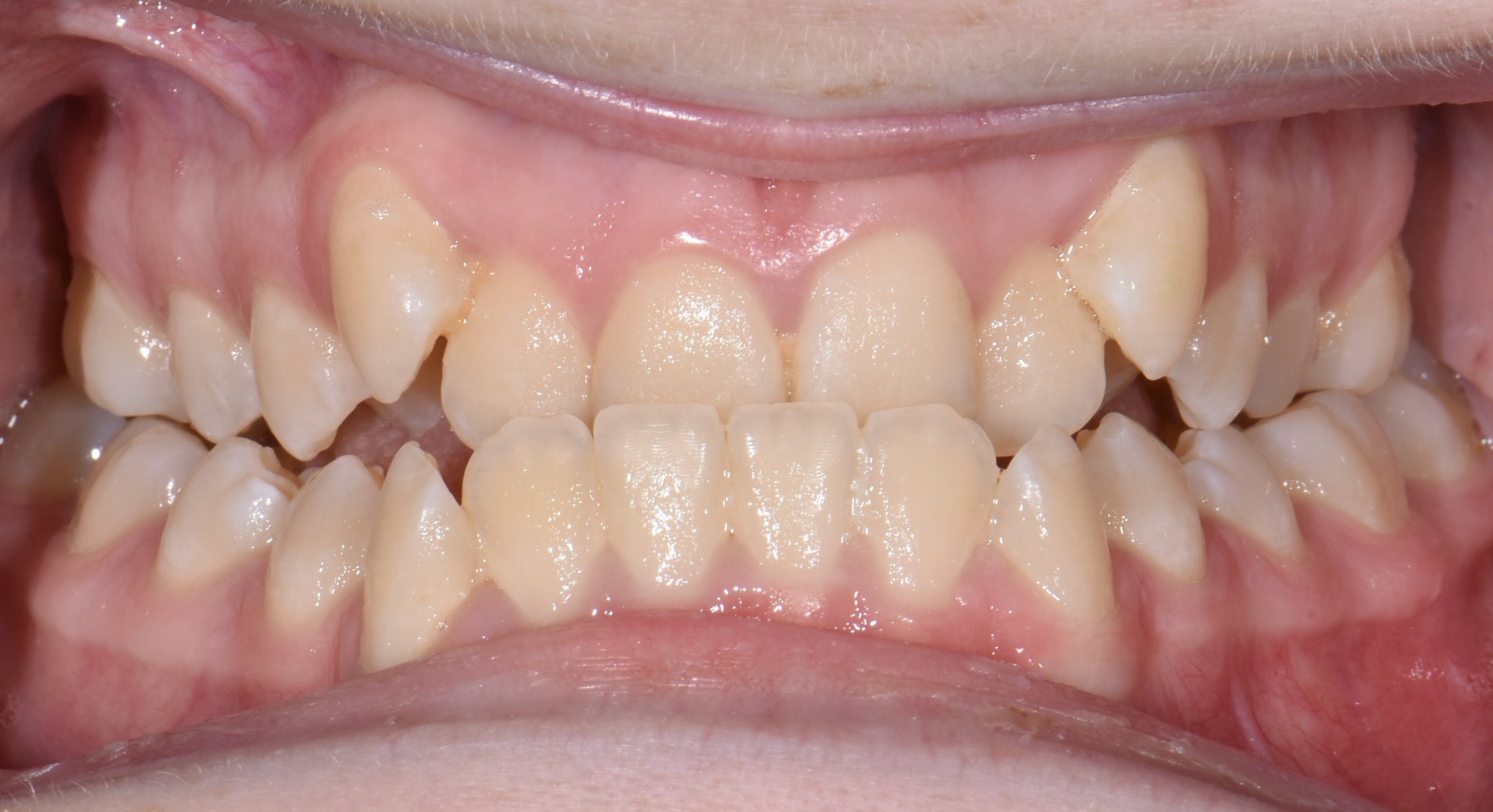

Comprehensive orthodontic treatment is usually commenced after all the baby (deciduous) teeth are lost.
Braces are the most common and most efficient method of straightening teeth. There are many different types, from the traditional stainless steel braces (metal braces with colours, which can be changed as you wish); to ceramic (tooth coloured) braces which show less metal, for the more discreet look.
Misalignment
Comprehensive orthodontic treatment is often sought to align permanent teeth properly, addressing issues such as crowding, spacing, or misalignment. This not only enhances the aesthetic appeal of the smile but also contributes to long-term oral health.
Bite Irregularities
Addressing bite irregularities, including overbites, underbites, and crossbites, is a common reason for comprehensive orthodontic treatment. Correcting these issues not only improves the functionality of the jaw but also helps prevent potential dental problems in the future.
Facial Aesthetics
Comprehensive orthodontic treatment goes beyond functional benefits, aiming to enhance facial aesthetics by achieving a balanced and harmonious alignment of teeth. This can contribute to an overall improvement in the appearance of the face, boosting confidence and self-esteem.
FAQs
At what age should my child begin Comprehensive Orthodontic Treatment?
While there are no specific age requirements, comprehensive treatment typically starts after the loss of all baby teeth, usually around the ages of 11 to 13. This allows for the alignment of permanent teeth and the correction of any remaining orthodontic issues.
How long does Comprehensive Orthodontic Treatment usually take?
The duration of treatment varies depending on individual needs and the complexity of the case. On average, comprehensive orthodontic treatment can last between 12 to 24 months. We will provide a more accurate estimate based on your specific situation.
What are the different types of braces available for Comprehensive Orthodontic Treatment?
There are various options, including traditional stainless steel braces with customizable colors, tooth-colored ceramic braces for a more discreet look, and Aligners, which utilizes custom clear plastic plates for a nearly invisible alignment solution.
Are there age restrictions for Comprehensive Orthodontic Treatment?
Comprehensive orthodontic treatment is not limited by age, and adults can also benefit from achieving a straighter smile. The timing of treatment may vary, but modern techniques and a range of available options ensure effective outcomes for individuals of all ages.
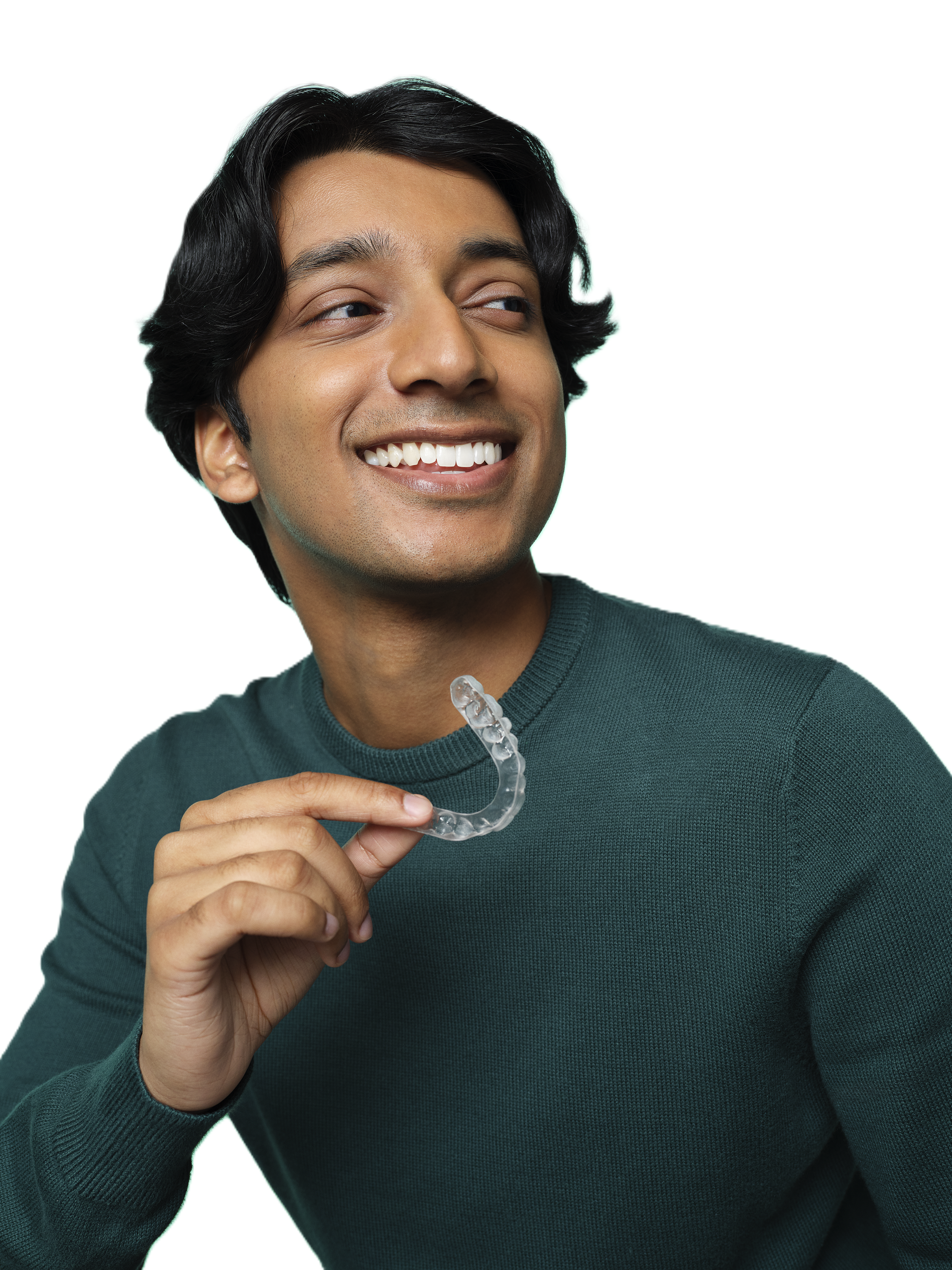
Adult Orthodontic Treatment
Transform your smile with confidence through our Adult Orthodontic Treatment. It’s never too late to achieve the straight, beautiful teeth you’ve always wanted. Discover discreet and effective options tailored for adults, embracing the journey to a radiant, confident smile.
Sleep Disorder Appliances
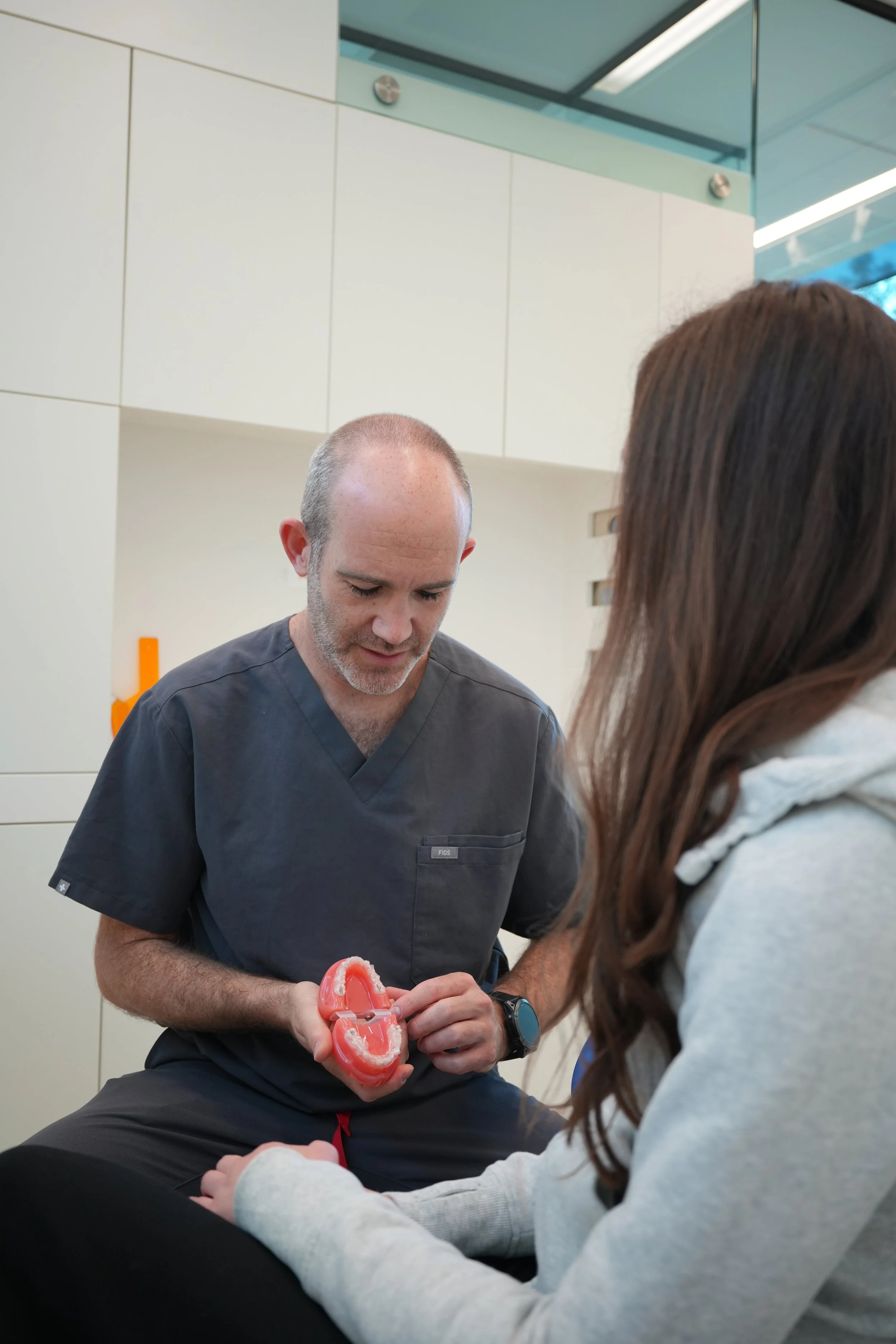
The usual process of treatment is as follows:
The patient is referred to see Dr Marks. An appointment is made and letters of introduction are sent to the patient; one of these is a request for X-rays. These should be brought to the first appointment or they can be taken at the practice. It is essential that a referral letter from the sleep physician is available at the first appointment.
The patient is examined as well as all records and medical history. A decision is usually made at that time as to whether a sleep appliance is appropriate, and if required, records are taken to fabricate one of the appliances.
The appliance is then fitted a couple of weeks later. This is followed up by a check up visit to Dr Marks and then the patient is referred back to the sleep physician once they are comfortable with wearing the appliance.